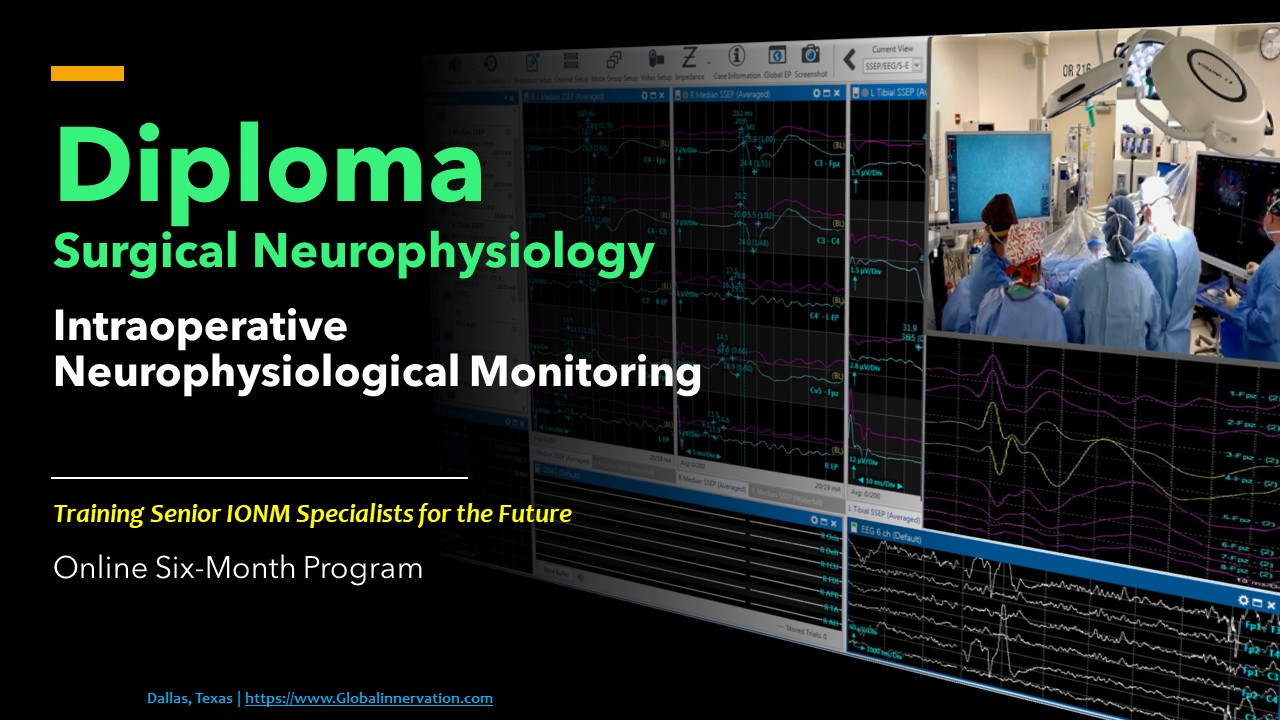
The Science Behind TCeMEPs: Transcranial Electrical Motor Evoked Potentials. Part 2
DOI:
https://doi.org/10.5281/zenodo.18007093Keywords:
IONM, SSEP, MEP, TIVA, neuromonitoring, neurophysiology, neuroscience, brain, spine, surgeryAbstract
Transcranial motor evoked potentials (TCeMEPs) are an essential modality for intraoperative neurophysiological monitoring (IONM) that provides immediate feedback on the functional integrity of the corticospinal tract. In Part 1, we discussed how TCeMEPs offer a dynamic, real-time perspective on the motor system during surgery. This article delves into the physiology of TCeMEPs, focusing on waveform analysis, targeting muscles by spinal level, and the clinical significance of signal changes during surgery. Considering intraoperative conditions and indications, we highlight that TCeMEPs are valuable tools for preventing permanent motor injury and enhancing surgical outcomes. A deeper understanding of TCeMEP dynamics promotes collaboration among surgical teams and strengthens the use of neuromonitoring to protect patients further.
References
MacDonald, D. B. (2006). Intraoperative motor evoked potential monitoring: Overview and update. Journal of Clinical Neurophysiology, 23(5), 371–388.
Jahangiri, F. R. (2012). Surgical Neurophysiology: A Reference Guide to Intraoperative Neurophysiological Monitoring (2nd ed.). Amazon Publishing.
Deletis, V., & Sala, F. (Eds.). (2008). Intraoperative Neurophysiological Monitoring in Neurosurgery. Springer.
Neurophysiological Monitoring. Clin Neurophysiol. 2013 Dec;124(12):2291-316. doi: 10.1016/j.clinph.2013.07.025.
Downloads
Published
How to Cite
Issue
Section
License
Copyright (c) 2025 J of Neurophysiological Monitoring

This work is licensed under a Creative Commons Attribution 4.0 International License.